Can Period Swimwear Replace Tampons While Swimming?
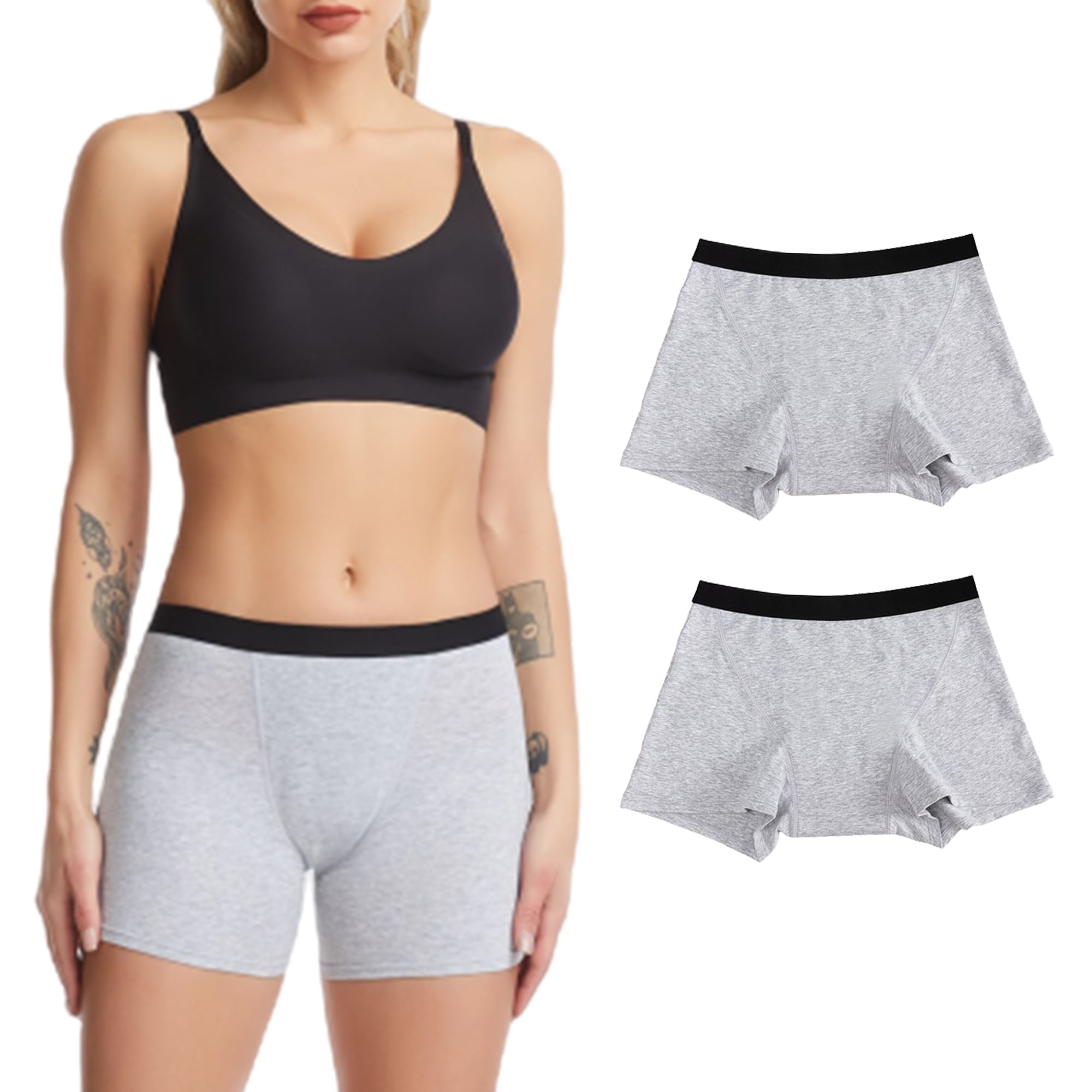
Yes, period swimwear can replace tampons for some swimming sessions, but its reliability depends on flow, absorbency, fit, and wear time. Typical menstrual blood loss is around 30–40 mL per cycle, while ACOG notes that up to 80 mL may still fall within the quantitative range used for normal uterine bleeding. Some period swimwear is rated at 20 mL for light flow, 40 mL for high swim absorbency, and 50 mL for higher-capacity styles. A 30–60 minute swim on a light or moderate day is therefore very different from wearing one swimsuit for six hours on a heavy day. Tampons absorb internally and the FDA recommends changing them every 4–8 hours, with an 8-hour maximum. Period swimwear can work alone, but heavy bleeding, loose leg openings, long wear periods, and limited access to changing facilities reduce the margin for leakage.
Period swimwear does not work like a tampon. A tampon sits inside the vaginal canal and absorbs menstrual fluid before it reaches the swimsuit, while period swimwear receives fluid after it leaves the body. That difference matters in water because the outer fabric has to resist pool or seawater while the inner section still handles menstrual flow. Current Modibodi swimwear, for example, uses a two-layer gusset with an absorbent inner section and a water-resistant barrier, with listed capacities ranging from about 20 mL to 50 mL depending on the style.
That 20–50 mL range needs context. A frequently cited clinical estimate puts average menstrual blood loss near 30–40 mL across an entire period, while an older clinical review found that about 90% of women lose less than 80 mL per cycle. One laboratory-based measurement method reported an average of 41.8 ± 3.9 mL among normally menstruating women. Those figures describe total menstrual loss, however, not the amount released during one hour at a swimming pool.
A swimsuit rated for 40 mL should not be interpreted as “40 mL guarantees a full day without changing.” Flow is uneven across a period, and the heaviest several hours can account for a much larger share of daily loss than lighter periods later in the day.
That uneven flow explains why the day of the cycle matters more than a simple tampon-equivalent claim. Some manufacturers translate absorbency into tampon units using 5 mL per tampon, so 20 mL becomes four tampons, 40 mL becomes eight, and 50 mL becomes ten. The comparison is useful for scale, but real tampons are sold in standardized absorbency ranges and menstrual fluid does not necessarily spread evenly through a swimsuit gusset.
| Situation | Period swimwear alone | Tampon usually more practical |
|---|---|---|
| Light spotting, 30–60 min swim | Often suitable | Usually unnecessary |
| Moderate flow, 1–2 hours | Often suitable with correct absorbency | Optional |
| Heavy day, several hours | Higher leakage risk | Often easier to manage |
| Water park or all-day beach visit | Spare bottom strongly useful | Easier to replace during the day |
| User dislikes insertion | Strong advantage | May be unsuitable by preference |
Fit becomes more important once capacity is adequate. Period swimwear cannot form a medical-grade watertight seal around the vulva, so the leg openings and gusset need to stay close to the body when walking, kicking, diving, and climbing out of the pool. Modibodi specifically states that its swimwear should fit snugly at the leg opening so the gusset can function properly in and out of water. A loose bikini bottom may therefore leak before its theoretical absorbency has been reached.
Water itself does not stop menstruation. Menstrual shedding continues while a person is swimming, although water pressure and body position can reduce how visible outward flow appears during immersion. Once someone stands up, walks onto the pool deck, coughs, changes position, or sits on a towel, menstrual fluid can leave the vagina normally. The swimsuit therefore has to perform both underwater and during the 5–30 minutes after swimming when the wearer may still be in wet clothing.
That post-swim period is one place where external protection can be more convenient than people expect. A tampon continues absorbing internally until it is removed, but period swimwear also protects while someone walks from the pool to the changing room. For swimmers who do not want insertion, a purpose-built swimsuit can remove the need for tampons altogether on suitable flow days. The same preference explains why some people use period panties on dry days and switch to dedicated period swimwear in water; ordinary menstrual underwear is not automatically designed to resist surrounding pool water.
Ordinary sanitary pads are even less suitable for swimming. Pads are built to absorb liquid from outside the body, so they can take up pool or seawater, swell, shift, and become much less useful for collecting menstrual fluid. Dedicated swimwear uses different materials and construction. One current light Modibodi style lists a 20 mL capacity and describes a concealed absorbent lining paired with a water-resistant outer layer rather than a conventional disposable pad.
The difference becomes clearer on heavy-flow days. ACOG notes that menstrual bleeding lasting more than seven days or requiring product changes every 1–2 hours can be considered excessive, particularly in adolescents. Older population data have often used 80 mL or more per period as a clinical threshold for heavy menstrual bleeding, although modern clinical practice also looks at how bleeding affects daily life rather than relying on volume alone.
If someone normally soaks through menstrual protection every 1–2 hours, testing an unfamiliar swimsuit during a six-hour water-park visit provides very little room for error.
A shorter trial gives much better information. Wear the swimsuit for 30–60 minutes on a day when flow is known, swim normally, then inspect the gusset and leg openings after leaving the water. If no menstrual fluid has spread beyond the absorbent area and the lining does not feel saturated, the same product may be reasonable for a similar session. Testing at home first also matches manufacturer advice; Modibodi recommends learning how a chosen absorbency performs with personal flow before relying on it for longer wear.
Tampons offer a different type of predictability. The FDA advises changing each tampon every 4–8 hours, never exceeding eight hours, using the lowest absorbency needed, and washing hands before and after insertion. FDA guidance also continues to associate tampon use with the rare but serious risk of toxic shock syndrome, which is why maximum wear time and correct absorbency remain part of official labeling requirements.
Period swimwear avoids internal insertion and does not carry tampon wear-time instructions, but it introduces a different practical limit: once the garment is full, the garment itself has to be changed. A person wearing a bikini bottom can swap only the bottom, while someone in a one-piece suit must change the whole garment. On a 2026 beach trip lasting five or six hours, carrying a second swim bottom can therefore be more useful than buying the highest absorbency available and assuming one garment will cover the entire day.
Current high-absorbency examples illustrate the range. Modibodi lists light styles at 20 mL, high swim absorbency at 40 mL, and certain super styles at 50 mL. A 50 mL gusset is larger than the roughly 30–40 mL average total blood loss often reported for an entire period, but the comparison should not be used as a wear-time calculation because menstrual discharge also contains endometrial tissue, mucus, and other fluid, while laboratory absorbency claims are measured under controlled conditions.
Care affects later performance as well. Reusable absorbent textiles rely on pores, fibers, coatings, and layered construction, so detergents and heat can change how they handle fluid. Modibodi recommends rinsing below 30°C, cold washing, avoiding fabric softener, avoiding tumble drying, and allowing the garment to dry fully before reuse. Fabric softener is especially relevant because it can coat fibers and reduce liquid uptake.
Chlorine, salt water, sunscreen, repeated stretching, and frequent washing also place more stress on swimwear than ordinary underwear. A swimsuit that performed well in 2025 may not necessarily retain identical fit or water resistance after repeated seasons of use. Users should replace garments that develop loose leg openings, damaged gussets, separated layers, persistent odor after washing, or obvious loss of elasticity, because fit failure can matter as much as absorbent capacity.
Teen swimmers may find period swimwear particularly useful because tampon use is not a requirement for swimming. A teenager can use external menstrual swim protection without learning insertion immediately before a school lesson, vacation, or team practice. ACOG reported in its 2015 guidance that adolescent cycles commonly range widely after menarche and that bleeding requiring product changes every 1–2 hours deserves medical attention rather than simply choosing a higher-capacity product.
Adults with unusually heavy periods should apply the same medical distinction. A product problem and a bleeding problem are not always the same issue. An NHS patient resource states that average blood loss is around 30–40 mL, while 80 mL or more has traditionally been considered heavy; it also advises discussing periods that require sanitary protection changes every two hours or less. Repeated flooding through clothing or bedding deserves medical assessment rather than relying only on stronger swim protection.
For ordinary swimming, the most practical comparison is capacity plus access to changing facilities. A 45-minute pool session on a light-flow day may require only a 20 mL swimsuit. A two-hour lesson on moderate flow may justify 30–40 mL capacity. A six-hour beach day during heavier bleeding may be easier with a 40–50 mL swimsuit plus a spare bottom, or with a tampon, cup, or disc as the primary product and swimwear as backup.
Using both products is also reasonable. Period swimwear does not have to replace tampons to be useful; it can catch leakage from an internal product during long sessions. For someone using a tampon, the FDA's 4–8 hour change guidance still applies even if the swimsuit remains dry. For someone using swimwear alone, saturation, wetness in the gusset, or blood appearing beyond the protected area are practical signs that changing is needed.
A few numbers make the choice easier: average menstrual blood loss is often reported around 30–40 mL per cycle; 80 mL has historically been used as a heavy-bleeding reference point; current swimwear examples span roughly 20–50 mL; and FDA tampon guidance remains 4–8 hours with an absolute eight-hour maximum. For a short swim on light or moderate flow, well-fitted period swimwear can replace a tampon. For heavy flow, long wear, or uncertain access to a changing room, a spare garment or internal product provides a larger safety margin.